Address: 651 S. Clarizz Blvd. | Bloomington, IN 47401
No ratings yet
Insurances: No info provided
Ages Served: Children
Care Settings: No info provided
AboutServicesFAQ
About Heather M. Franklin, MD
Dr. Franklin graduated from the Indiana University School of Medicine and completed her residency training in Pediatrics at Riley Hospital for Children at IU Health before practicing on the south side of Indianapolis. She is board certified in Pediatrics and has been a part of Southern Indiana Pediatrics since 2000. Dr. Franklin and her husband Karl, are the parents of two sons, Alex and Garrett. Together they enjoy outdoor family activities, camping and sports.
School of Medicine: Indiana University School of Medicine
Residency: Riley Hospital for Children at IU Health
Provider's Gender
Female
Languages
English
651 S. Clarizz Blvd.,IN,47401
Get in Contact
(812) 333-2304
Reviews
No reviews yet
beaming
No reviews
google
No reviews
yelp
No reviews
Leave a review: Would you recommend this provider?
Frequently Asked Questions
Your pediatrician might be able to administer screenings, but most general doctors are not trained to formally diagnose autism. They might refer you to a qualified diagnostic clinician which include:
Developmental Pediatricians
Child Psychologists
Child Psychiatrists
Pediatric Neurologists
Pediatric Neuropsychologists
Your experience might look different depending on the type of clinician you choose. Many families prefer working with developmental pediatricians. Others might work with a psychiatrist or another specialist to get a different perspective.
A formal ASD diagnosis, or a medical diagnosis, helps you get the support your family needs, especially within the context of accessing medically necessary therapies and services.
Insurance Coverage for Therapies: Medically necessary therapies for ASD are often covered by insurance including, but not limited to, speech therapy, ABA therapy, and occupational therapy.
Financial Support: A diagnosis is required when applying for social security or disability benefits.
Plan for Care: A diagnosis helps identify your child’s support needs. For example, your child might need to develop social communication and self-regulation skills.
Future Research: The more data we gather through evaluations, the more we can improve services for autistic children and adults.

 Children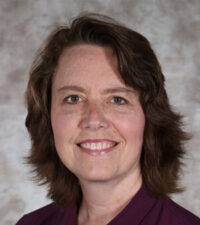
 Southern Indiana Physicians Riley Physicians Pediatrics
 School of Medicine: Indiana University School of Medicine
 Female
 English