
 Children
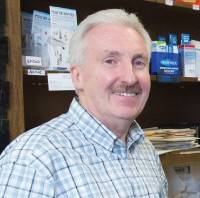
Frederick V. O’Connor
Pediatricians
- Address: 101 Main St. | Unionville, CT 06085
- No ratings yet
- Insurances: No info provided
- Ages Served: Children
- Care Settings: No info provided
About Frederick V. O’Connor
Dr. O’Connor grew up in the Philadelphia area and graduated from Notre Dame University. He then received his medical degree from the New Jersey School of Dentistry and Medicine at Rutgers. He cofounded the practice with Dr Sylvester after completing his residency in pediatrics at the University of Connecticut in 1977. He has 3 grown children and 6 grandchildren. He lives in Farmington with his wife, Kathy. His special interest (aside from anything having to do with Notre Dame) is helping adolescents struggling with mental health issues. Dr. O’Connor is permanently board certified in general pediatrics by the American Academy of Pediatrics.
Services
Age Ranges Served
Practice Names
 Unionville Pediatrics
Board Certifications
 General Pediatrics
Education and Training
 Graduated from Notre Dame University
- Got his medical degree from the New Jersey School of Dentistry and Medicine at Rutger
Provider's Gender
 Male
Male
Languages
 English
101 Main St.,CT,06085
Get in Contact
- (860) 673-6124
Reviews
Reviews

No reviews yet
Leave a review: Would you recommend this provider?