Address: 2909 Busch Lake Blvd Suite D | Tampa, FL 33614
No ratings yet
Insurances:
Ages Served: Children to adults
Care Settings:
AboutServicesInsurancesFAQ
About Enid Gildar, Speech/Language Therapist
Enid is nationally certified by the American Speech Language Hearing Associatiion, holding and maintaining her Certificate of Clinical Competency. Enid has received multiple ASHA awards for continuing education (ACE). She is also licensed by the state of Florida to practice speech and language therapy. As an active member of the Florida Speech Language Hearing Association, she holds the position of chair person of the Medicaid Task Force. She earned her Bachelor of Science from Penn State University and her Master of Arts from Temple University. Prior to settling in Tampa she worked for the Philadelphia School Board, the Lebanon-Lancaster Intermediate Unit, both in Pennsylvania. When not working with children Enid enjoys yoga, reading and hiking with her husband and visiting her grandchildren in Colorado and Pennsylvania..
Please note that without member information we cannot guarantee that your specific plan covers these services. We recommend asking the care provider before beginning services.
Aetna
Humana
Medi-Cal
Medicaid
UnitedHealthcare
+ See More
2909 Busch Lake Blvd Suite D,FL,33614
Get in Contact
(813) 933-7300
gildarassociates@gmail.com
Reviews
No reviews yet
beaming
No reviews
google
No reviews
yelp
No reviews
Leave a review: Would you recommend this provider?
Frequently Asked Questions
The goal of speech therapy is to help your child communicate effectively with other people across all environments. This may take the form of using gestures, simple signs, verbal speech, and Augmentative and Alternative Communication (AAC).
Some other common things speech therapists can help with:
Nonverbal skills, such as signs or gestures
Forming speech in a clearer way
Communicating thoughts and feelings clearly
Understanding and responding to questions
Discerning facial expressions and their corresponding emotions
Noticing and understanding body language
Feeding and swallowing
Stuttering
Your pediatrician might be able to administer screenings, but most general doctors are not trained to formally diagnose autism. They might refer you to a qualified diagnostic clinician which include:
Developmental Pediatricians
Child Psychologists
Child Psychiatrists
Pediatric Neurologists
Pediatric Neuropsychologists
Your experience might look different depending on the type of clinician you choose. Many families prefer working with developmental pediatricians. Others might work with a psychiatrist or another specialist to get a different perspective.
A formal ASD diagnosis, or a medical diagnosis, helps you get the support your family needs, especially within the context of accessing medically necessary therapies and services.
Insurance Coverage for Therapies: Medically necessary therapies for ASD are often covered by insurance including, but not limited to, speech therapy, ABA therapy, and occupational therapy.
Financial Support: A diagnosis is required when applying for social security or disability benefits.
Plan for Care: A diagnosis helps identify your child’s support needs. For example, your child might need to develop social communication and self-regulation skills.
Future Research: The more data we gather through evaluations, the more we can improve services for autistic children and adults.
This happens. The results of the school’s evaluation may be different than your child’s medical diagnosis. It’s also important to remember that school is NOT the final say on your child’s potential. They may offer very little support to your child, underestimate their abilities, or disagree with you on what support your child needs. You will probably need to advocate for the services and support you believe your child needs.

 Children to adults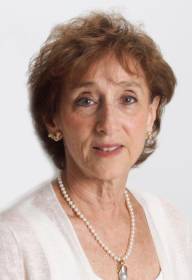
 In-home
 In-school
 In-office
 Temple University
 Penn State University
 Female
 English