Dr. Winterkorn joined our practice in July 2006. She is currently the Medical Director of CMO, and a full Partner. She is a graduate of Harvard University and received her M.D. in 2002 from Cornell University Medical College, where she was elected to the medical honor society, Alpha Omega Alpha. She completed her Pediatric Residency at Massachusetts General Hospital (MGH) in 2005, where she received several awards for her teaching and glowing reviews from the faculty. In 2005-6 Dr. Winterkorn served as the Carol and James Herscot Clinical Fellow in Tuberous Sclerosis for the Child Neurology Department at MGH. This position gave her valuable experience not only in Child Neurology but also in the care of children with chronic illness, disability, and other special health care needs.
Since joining the practice, Dr. Winterkorn has been involved in teaching medical students from Boston University School of Medicine, and has spent several weeks each year on the wards at MGH working with residents and instructing their patient care. Dr. Winterkorn is a preceptor for Dr. Piccoli, a pediatric resident at MGHfC, who will be doing his clinical continuity training with us at CMO through July 2017.
Medical School - Cornell University Medical College , New York , NY
Residency - Massachusetts General Hospital , Boston , MA
Fellowship - Pediatric Neurology - Massachusetts General Hospital , Boston , MA
Provider's Gender
Female
Languages
English
36 High Street,MA,01845
Get in Contact
(978) 975-3355
felicia@chmed.com
Reviews
No reviews yet
beaming
No reviews
google
No reviews
yelp
No reviews
Leave a review: Would you recommend this provider?
Frequently Asked Questions
Your pediatrician might be able to administer screenings, but most general doctors are not trained to formally diagnose autism. They might refer you to a qualified diagnostic clinician which include:
Developmental Pediatricians
Child Psychologists
Child Psychiatrists
Pediatric Neurologists
Pediatric Neuropsychologists
Your experience might look different depending on the type of clinician you choose. Many families prefer working with developmental pediatricians. Others might work with a psychiatrist or another specialist to get a different perspective.
A formal ASD diagnosis, or a medical diagnosis, helps you get the support your family needs, especially within the context of accessing medically necessary therapies and services.
Insurance Coverage for Therapies: Medically necessary therapies for ASD are often covered by insurance including, but not limited to, speech therapy, ABA therapy, and occupational therapy.
Financial Support: A diagnosis is required when applying for social security or disability benefits.
Plan for Care: A diagnosis helps identify your child’s support needs. For example, your child might need to develop social communication and self-regulation skills.
Future Research: The more data we gather through evaluations, the more we can improve services for autistic children and adults.
Most children go to daycare before they enter preschool at age 3 or 4. Most children stop daycare at the age of 6 when they go to school. Children who are homeschooled might continue daycare programs. Kids diagnosed with autism or other developmental disabilities might be in both daycare and therapy programs longer. Special needs programs and centers help children up to 26 years old.
One of the best things you can do is to have a conversation with the daycare staff. Share details about your child’s autism diagnosis, strengths, and challenges. Building open lines of communication will help you work together to support your child’s needs. Prepare the daycare provider to work with your child with a physical guidebook. This guidebook can include all of your child’s favorite things and how to calm them down. You might already have one ready from your experience with babysitters or teachers!
To read more about finding the right daycare provider, check out our guide.

 Children to adolescents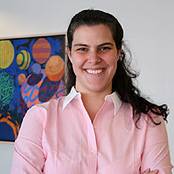
 In-office
 Children's Medical Office of North Andover
 General Pediatrics
 Medical School - Cornell University Medical College , New York , NY
 Female
 English