

 All ages
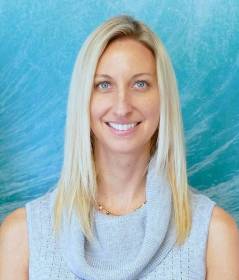
Diane Kingsley RDN
Nutritionists
- Address: 787 37th St. Suite 120 | Vero Beach, FL 32960
- Rating: 3.00 (2 reviews)
- Insurances:
- Ages Served: All ages
- Care Settings:
About Diane Kingsley RDN
My name is Diane Kingsley RD LDN LMT. As a Licensed and Registered Dietitian, I practice evidence-based Medical Nutrition Therapy and focus on whole body healing. I have 25 years experience in the field of nutrition. I graduated from the Institute for Integrative Nutrition in NYC in 2006, receiving my certification as a holistic health counsellor. Feeling that I needed to deepen my education in the field of nutrition, I received my Bachelors of Nutrition in Dietetics in 2014 and became a Licensed and Registered Dietitian. To round out my education and to focus on a whole- body healing approach, I also became a licensed massage therapist and received my certification as a Life Mastery Coach through Life Mastery Institute. I am a nationally published author and lecturer and have also been featured on television. I believe in a whole-body approach and assist clients not only with nutrition but also help them look at sleep patterns, exercise, stress levels, habits, behaviors and cravings, and help to educate and cultivate a balance in all aspects of their life. It is my true passion to help others on their path to whole body health and wellbeing, to support them in their healing process so that in turn, they can live their best life!
Accreditations
Claimed Profile
This provider has submitted proof of credentials and has claimed their profile.
Services
Care Settings
 Virtual
Age Ranges Served
Practice Names
 Simple Health Options
Languages
 English
Insurance Carriers Accepted
Please note that without member information we cannot guarantee that your specific plan covers these services. We recommend asking the care provider before beginning services.
- Aetna

- Ambetter
- Cigna
- Humana

- Medicare

787 37th St. Suite 120,FL,32960
Get in Contact
- (772) 228-6778
- info@simplehealthoptions.com
Reviews
Beaming’s Promise to Families
Your trust is our top concern, so providers can't pay to alter or remove reviews. Learn more

Beaming Review
 Highly responsive
 Explains things well
 Easy to schedule
 Great people
 Helpful to parents
 Great bedside manner
 Experienced with special needs
 Quality care
 Sensory friendly
 Received services
Beaming Review
Communication issues Didn’t receive services, but had meaningful interaction