
 Children
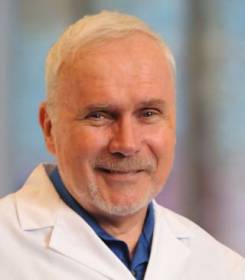
Carl Andrew Plonsky, MD
Pediatricians
- Address: 1530 South Union Avenue | Tacoma, WA 98405
- No ratings yet
- Insurances: No info provided
- Ages Served: Children
- Care Settings: No info provided
About Carl Andrew Plonsky, MD
Carl Plonsky, MD, has more than 20 years of experience teaching pediatrics to medical students, pediatric and family practice residents as well as parents. He has served as a Colonel in the U.S. Army and as director of a postdoctoral fellowship in behavioral and developmental medicine for board certified pediatricians. He is on the teaching faculty of the University of Washington Medical School. Of all the work he does, he enjoys helping children and teaching parents the most. Outside the clinic, Dr. Plonsky is a husband and a dad of four children, all of whom camp, hike and ski together, whenever possible.
Services
Age Ranges Served
Practice Names
 MultiCare
Board Certifications
 American Board of Pediatrics
- American Board of Pediatrics, 1999
Education and Training
 Georgetown University - Medical School, 2003
- Georgetown University Medical School
Provider's Gender
 Male
Male
Languages
 English
1530 South Union Avenue,WA,98405
Get in Contact
- (253) 301-5300
Reviews
Reviews

No reviews yet
Leave a review: Would you recommend this provider?