
 0 - 25 yrs home, 2 - 11 yrs center

Behavior Frontiers Autism Center - Livonia
ABA Therapy, Early Intervention, Social Skills Training + 2 more
- Address: 16880 Middlebelt, Suite 1 | Livonia, MI 48154
- Rating: 1.00 (1 reviews)
- Insurances:
- Ages Served: 0 - 25 yrs home, 2 - 11 yrs center
- Care Settings:
About Behavior Frontiers Autism Center - Livonia
Behavior Frontiers is a leading provider of ABA treatments and therapies for autism spectrum and other behavior disorders. Our highly skilled clinicians and therapists offer individualized, effective assessments and solutions based on proven, research-based methods. Our ABA treatment programs are delivered by Behavior Frontiers’ knowledgeable and highly trained clinical staff members using accurate and results-driven ABA methods to improve the quality of life for children and their families. We’re raising the mark of excellence in ABA quality care to deliver comprehensive support with real results for families everywhere.
Accreditations
BHCOE Accredited
This provider is accredited by the Behavioral Health Center of Excellence (BHCOE)
Claimed Profile
This provider has submitted proof of credentials and has claimed their profile.
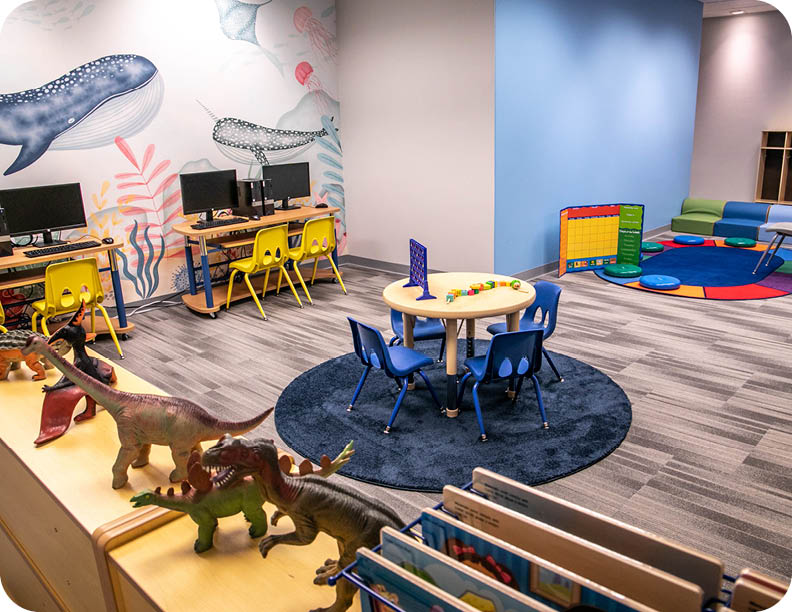
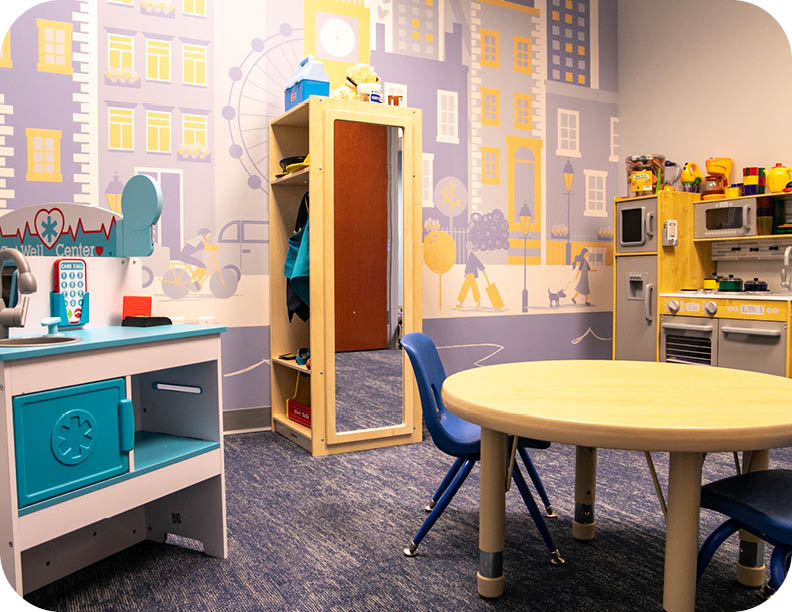

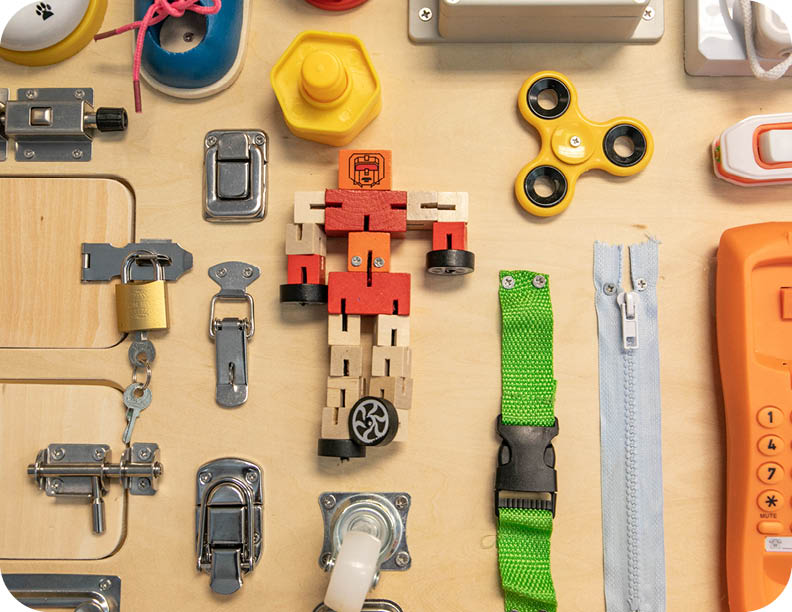
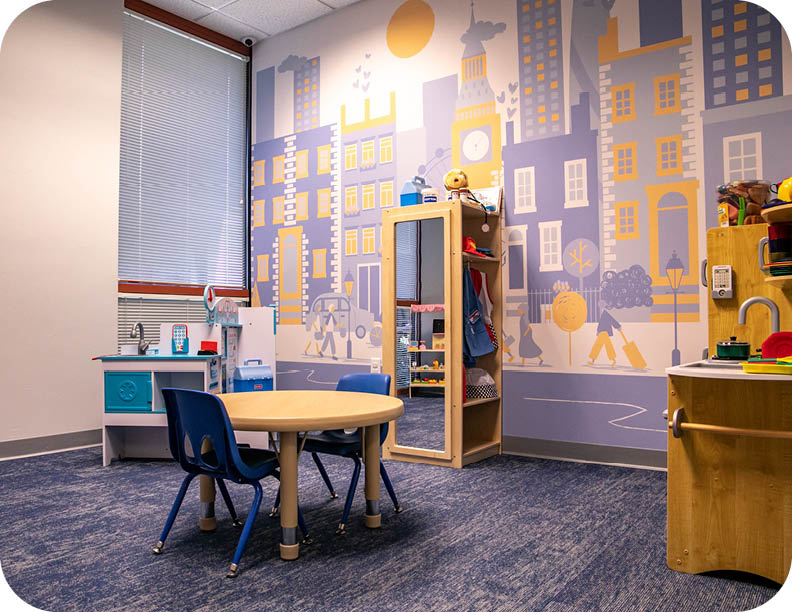
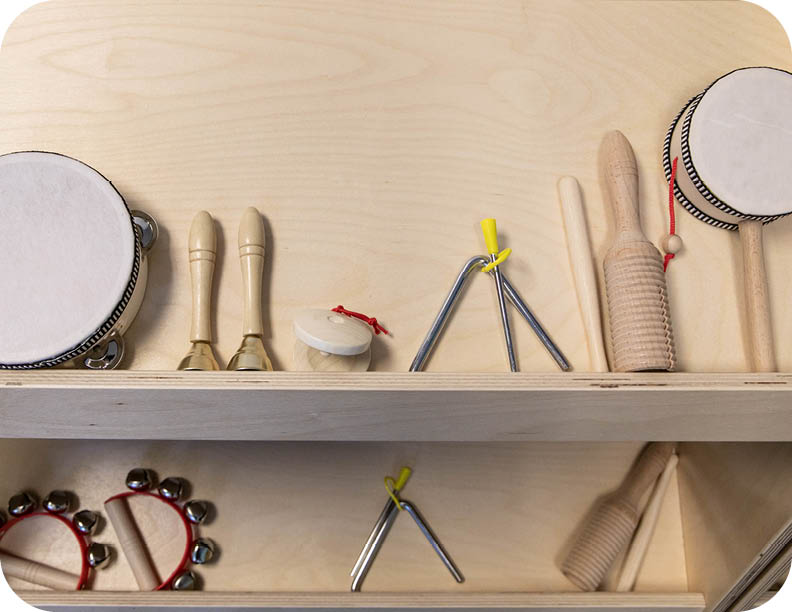
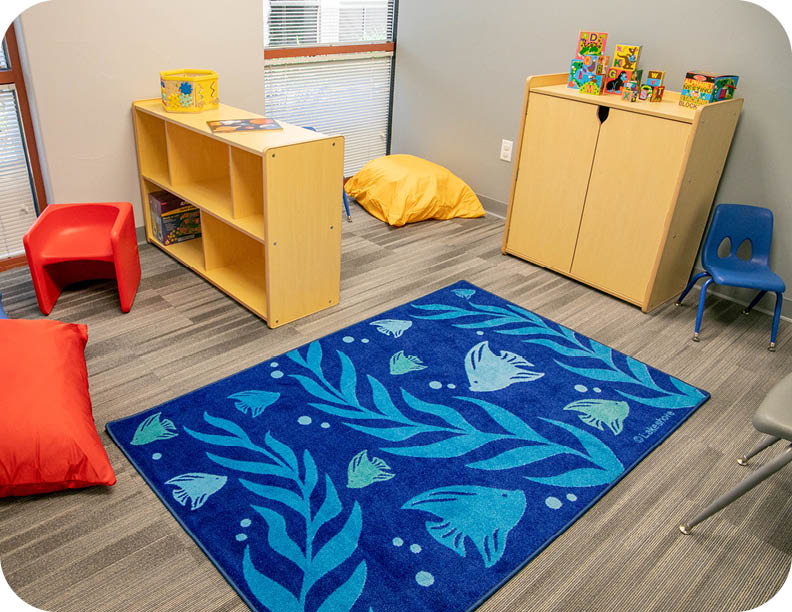
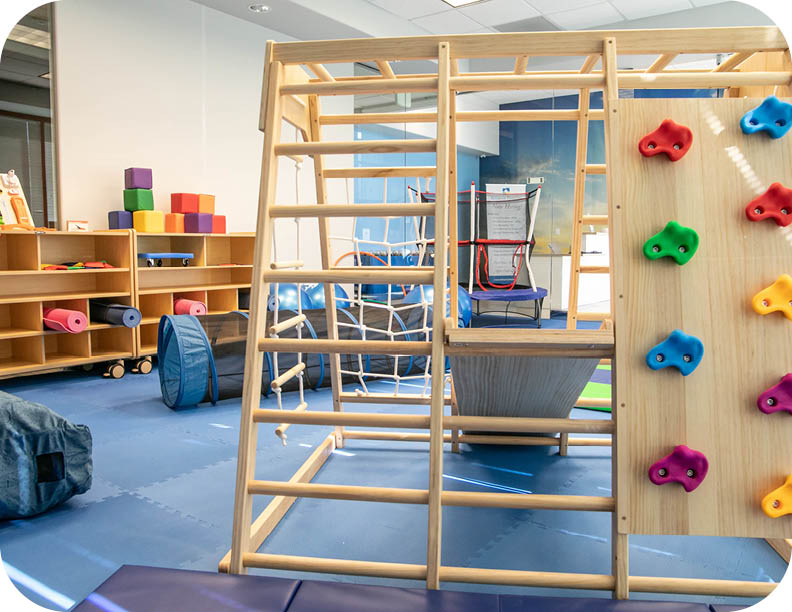
Care Settings
 In-office
 Virtual
 In-school
 In-home
Age Ranges Served
Leadership
 Helen Mader, M.A., BCBA Founder & CEO
Founding Story
I am personally dedicated to helping children with autism and other special needs to receive the highest quality ABA services available through our comprehensive and individualized ABA treatment programs. Why am I committed to ABA as the treatment of choice for children with autism spectrum disorders? Well, at Behavior Frontiers we have used ABA methods to help non-verbal children learn to speak, children without social skills learn to make friends, aggressive children eliminate their problem behaviors, and so much more.
Families are continually amazed at how well our interventions work and this is due to the fact that ABA is based on scientific principles that hold true for all behavior. ABA methods are so effective because they use children’s motivation to help them learn new skills, such as communicating, sharing, taking-turns, and being flexible. Using this proactive and positive approach, children with autism can learn appropriate ways to interact and form relationships with others. The focus on rewarding “good” behavior makes using ABA methods a fun and enjoyable experience for all.
At Behavior Frontiers, we continuously strive to make sure that we deliver accurate and up-to-date ABA services so that all those who interact with children with autism and other special needs have the most powerful tools available to help these children meet their goals. I invite you to learn more about the unique and individualized ABA treatment programs that we offer at Behavior Frontiers so that you can see how we can help you to make a positive difference in a child’s life!
Waiting List Length
 This provider has verified they do not maintain a waiting list
Languages
 English
 Spanish
 American Sign Language
Insurance Carriers Accepted
Please note that without member information we cannot guarantee that your specific plan covers these services. We recommend asking the care provider before beginning services.
- Aetna

- Cigna
- Humana

- Blue Cross Blue Shield (BCBS)

- Blue Cross Blue Shield of Michigan
16880 Middlebelt, Suite 1,MI,48154
Get in Contact
- 972-665-7251
- info@behaviorfrontiers.com
Reviews
Beaming’s Promise to Families
Your trust is our top concern, so providers can't pay to alter or remove reviews. Learn more

Beaming Review
 Helpful to parents
 Admin issues
 Didn’t receive services, but had meaningful interaction